



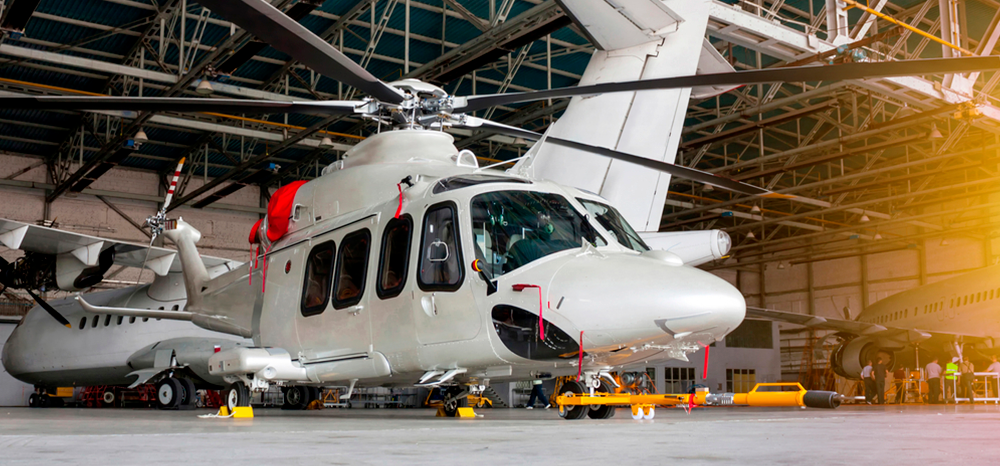
Preventive maintenance is essential to ensure the safety and reliable performance of helicopters. Due to their complex mechanics, which include dynamic rotor systems, transmissions, hydraulic systems, and specialized avionics, helicopters require a methodical and rigorous approach to preventive maintenance. This process is governed by a detailed and customized maintenance program, developed by the manufacturer and specified in the maintenance manual of each helicopter model.
The preventive maintenance program of a helicopter includes a variety of scheduled inspections and reviews, which can be classified into different levels of complexity and frequency. Pre-flight inspections are critical before each takeoff, focusing on key elements such as fluid levels, flight controls, and control surfaces. Daily and periodic inspections, such as those at 50, 100, or 300 flight hours, involve more comprehensive checks, including a detailed inspection of rotor blades, transmission systems, structural components, and electrical and avionics systems.
In addition to visual inspections, modern preventive maintenance incorporates condition monitoring techniques. This involves the use of sensors and diagnostic technologies to assess the real-time condition of components, allowing the detection of emerging issues before they develop into major failures. Vibration analysis in transmissions and oil analysis in engines are examples of techniques used for condition-based maintenance of components.
In summary, helicopter preventive maintenance is an integrated process that combines visual inspections, functional tests, and advanced monitoring techniques. Performed by highly skilled technical personnel and in strict compliance with the manufacturer’s manuals and procedures, this maintenance is crucial to maintain airworthiness, ensure flight safety, and maximize the service life of helicopters.